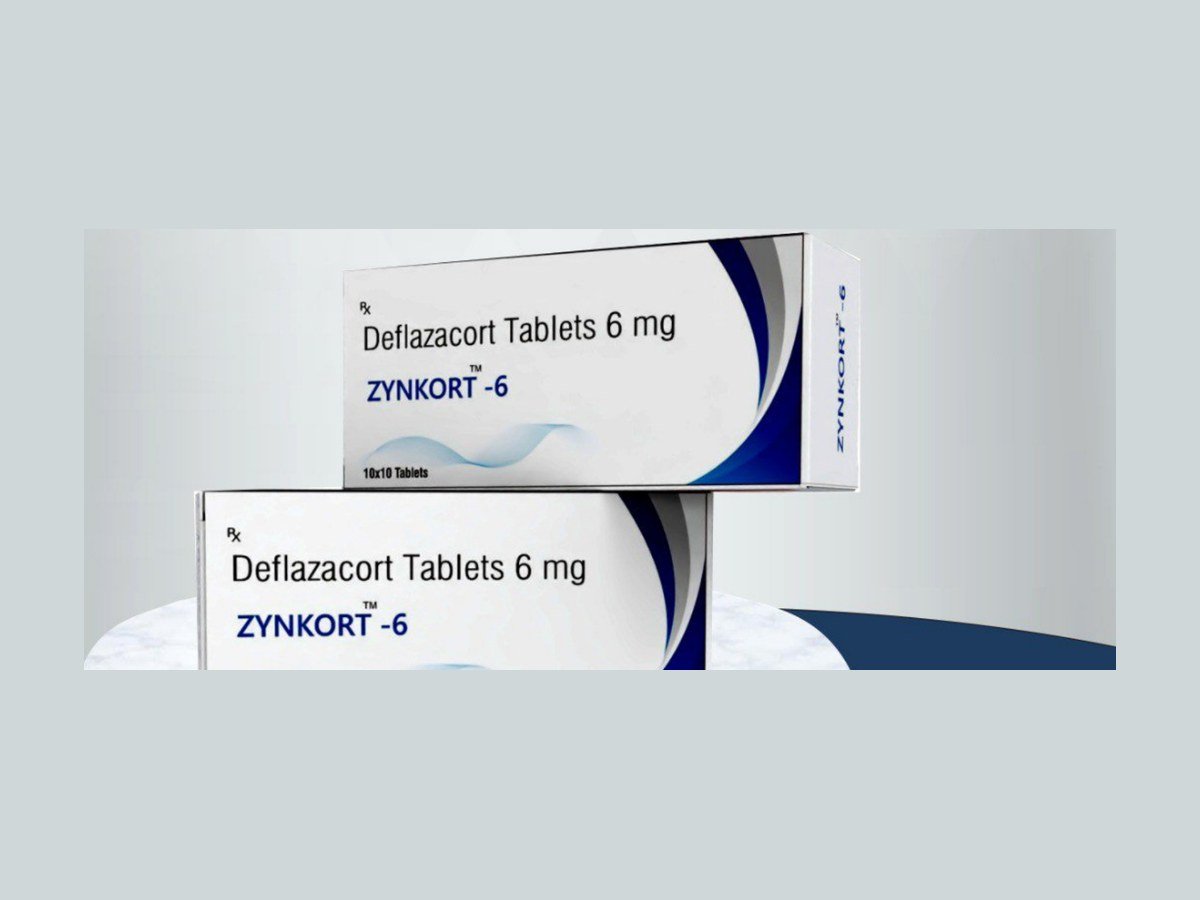
Corticosteroids are among the most valuable classes of medicine in clinical practice, used across a wide range of inflammatory and autoimmune conditions. They are also among the most frequently misused, particularly where medicines can be obtained without a prescription.
Understanding why they demand medical supervision helps explain why they are prescription-only medicines.
What corticosteroids are
Corticosteroids are synthetic analogues of cortisol, a hormone produced naturally by the adrenal glands. They act broadly to suppress inflammation and modulate immune activity.
It is worth stating clearly that these are entirely different from the anabolic steroids sometimes misused for muscle building. The two classes share little beyond the word 'steroid'.
Why they must never be stopped abruptly
This is the single most important safety point about corticosteroids.
When corticosteroid medicine is supplied from outside, the adrenal glands sense sufficient hormone and reduce their own production. After a period of continuous use, that natural production is suppressed and does not resume immediately.
Stopping suddenly can therefore leave the body without adequate cortisol from either source — a state called adrenal insufficiency, which can be a medical emergency. This is why a doctor tapers the dose gradually rather than stopping it outright, and why a patient must never discontinue a prescribed course on their own judgement.
Effects that require monitoring
Because corticosteroids act throughout the body, their effects extend beyond the target condition. A prescribing doctor weighs these against the benefit and monitors accordingly. Recognised considerations with longer-term use include effects on blood glucose, blood pressure, bone density, susceptibility to infection, eye pressure, mood and sleep, and stomach irritation.
None of this makes corticosteroids dangerous medicines. It makes them medicines that require the dose, duration and monitoring to be set by a doctor who knows the patient's full history.
Why over-the-counter purchase is a serious risk
Corticosteroids sold without prescription are a recognised problem, particularly in topical form. Used on an undiagnosed rash, a corticosteroid may suppress visible inflammation while an underlying fungal infection spreads unchecked — a pattern clinicians encounter frequently.
Because these are Schedule H medicines, supply without a valid prescription is unlawful, and taking them without diagnosis risks masking the actual condition.
Questions worth asking your doctor
If a corticosteroid is prescribed for you, it is entirely reasonable to ask:
- •What is this treating, and what improvement should I expect?
- •How long will I take it, and will the dose be tapered?
- •What should I do if I miss a dose?
- •Does it interact with my other medicines or existing conditions?
- •What symptoms should prompt me to contact you sooner?
- •Do I need any monitoring tests while taking it?
Frequently Asked Questions
Are corticosteroids the same as bodybuilding steroids?
No. Corticosteroids modulate inflammation and immune activity. Anabolic steroids are a different class related to testosterone. They are not interchangeable.
Can I stop a corticosteroid once I feel better?
Not on your own judgement. Abrupt discontinuation after sustained use can trigger adrenal insufficiency. Your doctor will advise how to reduce the dose safely.
Do corticosteroids weaken bones?
Long-term use is associated with reduced bone density, which is one reason doctors use the lowest effective dose for the shortest necessary period and may monitor bone health.
Why do corticosteroids need a prescription?
They act throughout the body, require the dose and duration to be matched to the individual, need supervised tapering, and can mask undiagnosed infection. They are Schedule H medicines in India for these reasons.
Medical disclaimer. This article is general health education and is not medical advice. It does not diagnose any condition and does not recommend any medicine for any individual. Prescription medicines must be taken only on the advice of a registered medical practitioner. If you have symptoms or health concerns, please consult a qualified doctor.
From the Keroli Healthcare portfolio
Listed for the information of healthcare professionals and trade partners. This is not a treatment recommendation — product selection is a matter for the prescribing doctor.