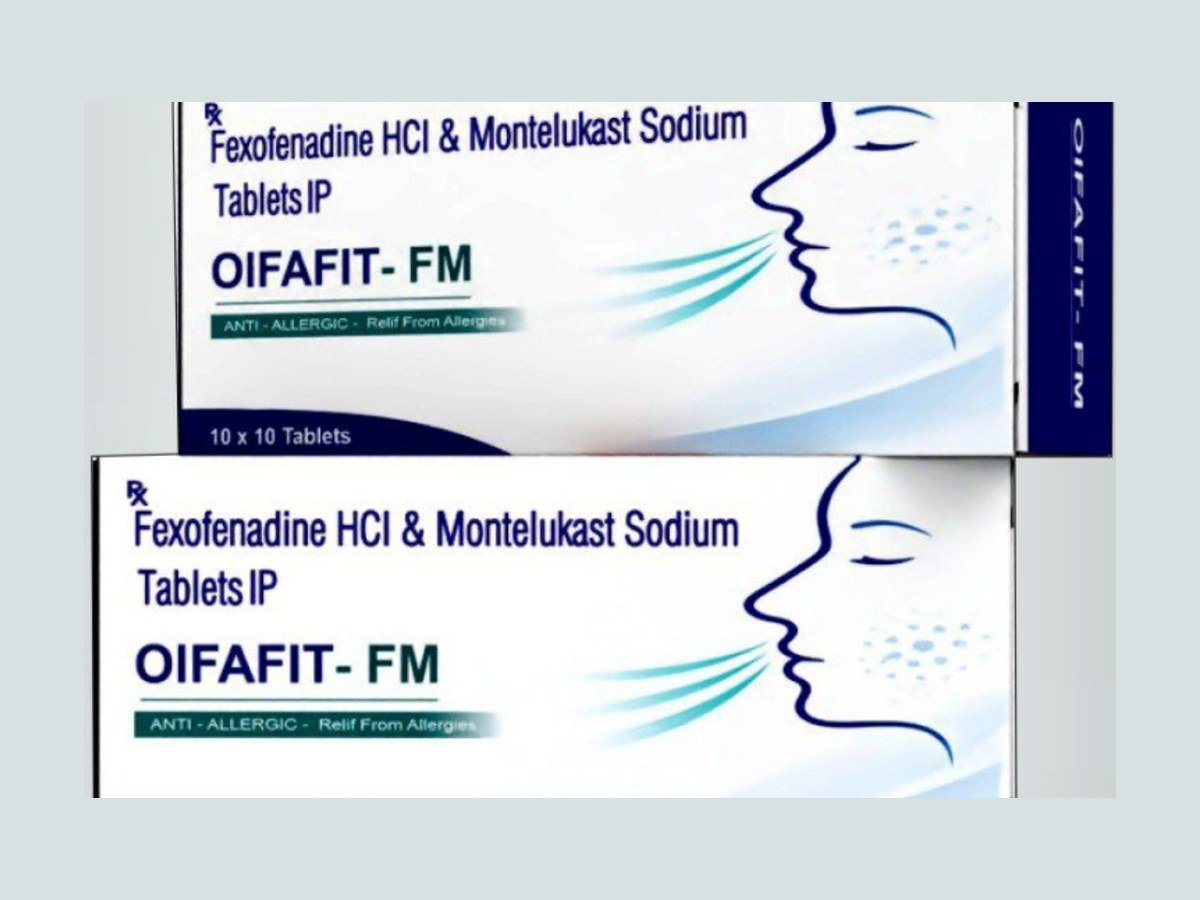
Persistent sneezing, a running or blocked nose, and itchy, watery eyes are among the most common reasons people visit a general physician in India — and allergic rhinitis is one of the most frequent explanations.
It is often dismissed as "just a cold that won't go away." Understanding the difference matters, because the two are managed very differently.
What allergic rhinitis actually is
Allergic rhinitis is an immune response, not an infection. When someone sensitised to a particular substance inhales it, the immune system releases histamine and other mediators. Those chemicals cause the swelling, itching and mucus production felt in the nose and eyes.
Because it is not caused by a virus or bacterium, it does not resolve the way an infection does, and it does not respond to antibiotics.
Common triggers in Indian households
Triggers vary by region and season, but a few dominate:
- •House dust mites — the single most common perennial trigger, concentrated in bedding, mattresses and upholstery
- •Pollen — seasonal, and varies sharply by city and time of year
- •Mould spores — a particular problem in humid coastal regions and during the monsoon
- •Animal dander from pets
- •Cockroach allergen, which is significantly under-recognised
- •Non-allergic aggravators such as vehicle exhaust, construction dust, smoke and strong fragrances
Allergy or common cold? How to tell
The two overlap, but several features usually distinguish them.
A cold typically develops over a day or two, often brings a mild fever and body ache, produces thicker and increasingly coloured nasal discharge, and clears within about seven to ten days.
Allergic rhinitis usually begins abruptly on exposure, causes no fever, produces thin and clear discharge, and features prominent itching of the nose, eyes or palate — itching is the most useful single clue. It can persist for weeks or recur predictably every year at the same time.
Why it should not be ignored
Untreated allergic rhinitis is more than an inconvenience. Chronic nasal inflammation is associated with disturbed sleep, daytime fatigue, reduced concentration at work or school, and worsening of co-existing asthma. Long-standing cases can contribute to recurrent sinus problems and middle-ear complaints, particularly in children.
Reducing exposure at home
Environmental control will not cure allergic rhinitis, but it reliably reduces the load on the immune system and is worth doing regardless of any other management:
- •Wash bedding weekly in hot water and dry it in direct sunlight
- •Replace heavy curtains and carpets in the bedroom where practical
- •Use a damp cloth rather than a dry duster, which redistributes dust into the air
- •Keep windows closed during high-pollen periods and in the early morning
- •Address damp patches and water seepage promptly to limit mould
- •Avoid indoor smoking entirely
When to see a doctor
Book a consultation if symptoms persist beyond two weeks, recur every year, disturb your sleep, or interfere with work or study. Seek prompt review if you also experience wheezing, breathlessness or chest tightness, as this may indicate associated asthma.
A physician can confirm the diagnosis, identify likely triggers, and decide whether treatment is appropriate. Any medicine for allergic rhinitis should be selected and prescribed by a registered medical practitioner based on your specific history — self-medication is not advisable, particularly where symptoms have persisted or are severe.
Frequently Asked Questions
Is allergic rhinitis contagious?
No. It is an immune response to an inhaled substance, not an infection, so it cannot be passed from person to person.
Do antibiotics help allergic rhinitis?
No. Antibiotics act on bacteria, and allergic rhinitis is not a bacterial condition. Taking antibiotics unnecessarily contributes to antibiotic resistance. A doctor may prescribe them only if a separate bacterial infection has developed.
Can allergic rhinitis develop later in life?
Yes. While it often begins in childhood or adolescence, adults can become sensitised to new allergens after moving city, changing occupation, or altering their home environment.
Does allergic rhinitis go away permanently?
It may improve over years in some people and persist in others. It is generally managed rather than cured, and outcomes are better when triggers are identified and exposure reduced.
Medical disclaimer. This article is general health education and is not medical advice. It does not diagnose any condition and does not recommend any medicine for any individual. Prescription medicines must be taken only on the advice of a registered medical practitioner. If you have symptoms or health concerns, please consult a qualified doctor.
From the Keroli Healthcare portfolio
Listed for the information of healthcare professionals and trade partners. This is not a treatment recommendation — product selection is a matter for the prescribing doctor.