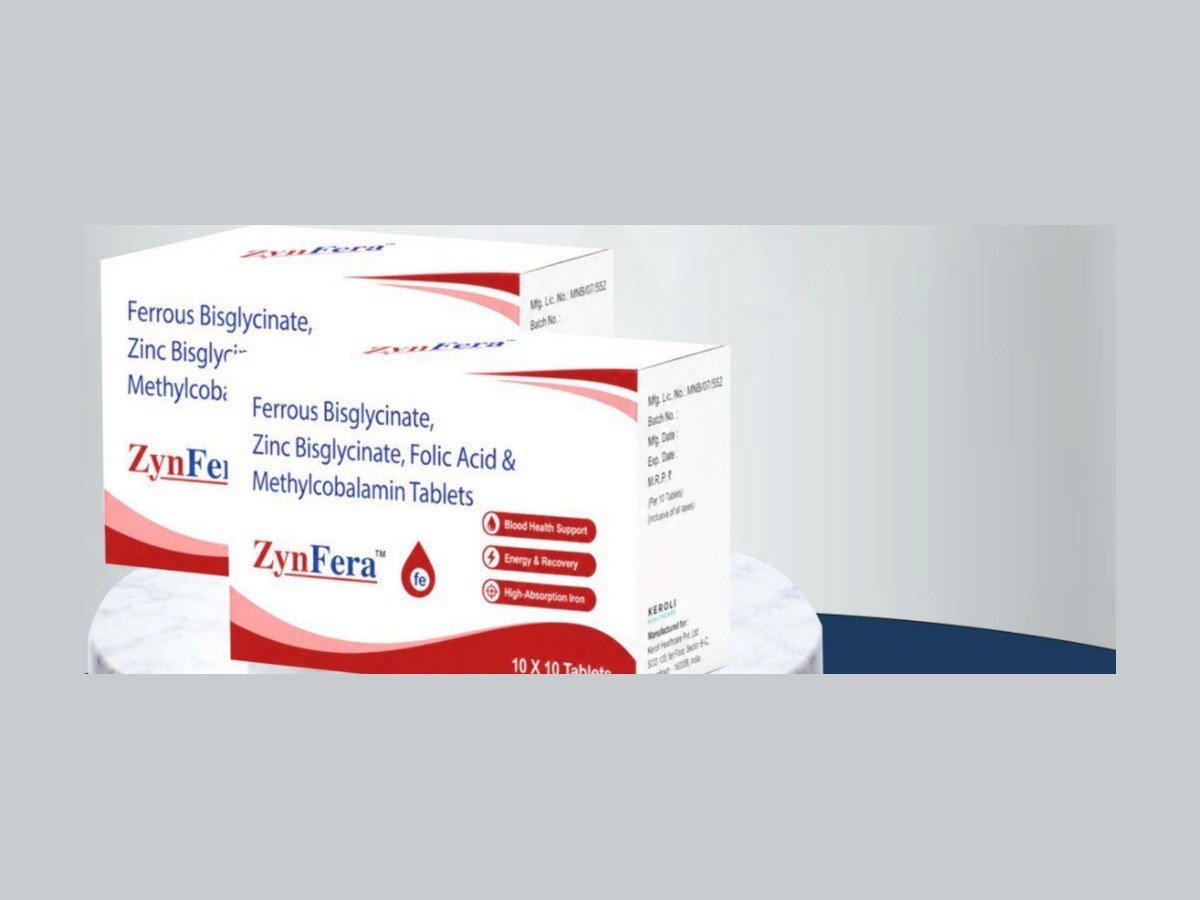
Iron deficiency is one of the most common nutritional deficiencies in India, and successive National Family Health Surveys have consistently found a high prevalence among women of reproductive age, adolescents and young children.
It develops slowly, and its early symptoms are so easily attributed to ordinary tiredness that many people live with it for years without investigation.
What iron does in the body
Iron is a core component of haemoglobin, the protein in red blood cells that carries oxygen from the lungs to every tissue in the body. When iron stores fall, the body cannot produce enough functional haemoglobin, and tissues receive less oxygen than they need.
This is why the symptoms are so diffuse — fatigue, breathlessness, poor concentration — rather than localised to any one organ.
Why deficiency is so widespread here
Several factors compound one another in the Indian context:
- •Predominantly plant-based diets supply non-haem iron, which the body absorbs far less efficiently than the haem iron in animal foods
- •Tea and coffee taken with or immediately after meals contain polyphenols that markedly reduce iron absorption
- •Phytates in whole grains and legumes — otherwise healthy foods — also bind iron and limit uptake
- •Menstrual blood loss creates a recurring monthly demand in women of reproductive age
- •Pregnancy sharply increases requirements
- •Intestinal worm infestation, still common in some regions, causes chronic low-grade blood loss
Signs worth taking seriously
Early iron deficiency is often silent. As it progresses, common features include persistent tiredness disproportionate to activity, breathlessness on mild exertion such as climbing stairs, pallor of the skin, inner eyelids and nail beds, frequent headaches, poor concentration, hair fall, and brittle or spoon-shaped nails.
An unusual but well-recognised sign is pica — a craving to eat non-food substances such as ice, chalk or mud. In children, iron deficiency can affect attention and school performance before any obvious physical sign appears.
Improving iron from the diet
Dietary change alone cannot correct an established deficiency quickly, but it supports recovery and helps prevent recurrence:
- •Pair iron-containing foods with a source of vitamin C — lemon, amla, guava, tomato or citrus — which substantially improves absorption of plant iron
- •Move tea and coffee to at least an hour away from meals
- •Include iron-rich foods such as ragi, bajra, green leafy vegetables, dates, jaggery, sesame and legumes
- •Soaking, sprouting and fermenting grains and pulses reduces their phytate content
- •Cooking in cast-iron vessels can modestly increase the iron content of food
Why you should not self-prescribe iron
This is the most important point in this article. Iron supplementation should follow a blood test and medical advice, never guesswork.
Fatigue has many causes besides iron deficiency — thyroid disorders, vitamin B12 deficiency, diabetes, chronic infection and others — and treating the wrong one delays the correct diagnosis. More seriously, iron deficiency in an adult male or a post-menopausal woman can be the first sign of bleeding in the digestive tract, which requires investigation rather than supplementation.
Excess iron is also harmful. The body has no efficient way to excrete it, and conditions such as haemochromatosis or thalassaemia trait can cause dangerous accumulation. Iron preparations are additionally a leading cause of accidental poisoning in young children and must be stored out of reach.
A doctor will typically order a complete blood count and ferritin before deciding whether supplementation is appropriate, at what dose, and for how long.
Frequently Asked Questions
What blood test detects iron deficiency?
A complete blood count shows haemoglobin and red cell indices, while serum ferritin reflects the body's iron stores and is the more sensitive early indicator. Your doctor decides which tests are appropriate.
Can I fix low iron with diet alone?
Diet helps maintain iron status and prevent recurrence, but an established deficiency usually needs medically supervised correction. Discuss results with your doctor rather than self-treating.
Why does tea affect iron?
Tea contains tannins and other polyphenols that bind iron in the gut and reduce how much is absorbed. Separating tea from meals by about an hour limits this effect.
Are iron supplements safe in pregnancy?
Iron requirements rise considerably in pregnancy, and supplementation is commonly advised — but the decision, dose and duration must come from the treating obstetrician.
Medical disclaimer. This article is general health education and is not medical advice. It does not diagnose any condition and does not recommend any medicine for any individual. Prescription medicines must be taken only on the advice of a registered medical practitioner. If you have symptoms or health concerns, please consult a qualified doctor.
From the Keroli Healthcare portfolio
Listed for the information of healthcare professionals and trade partners. This is not a treatment recommendation — product selection is a matter for the prescribing doctor.